History

First Reaserch on Stroke

In the mid-20th century, researchers discovered the key substance in the body that helps dissolve blood clots. Danish scientists described the protein that would later be known as tissue plasminogen activator (tPA), and by the early 1980s, new biotechnology made it possible to produce lab-made (recombinant) tPA in large enough amounts for medical use.

Early success using it to treat heart attacks led the US FDA to approve tPA for myocardial infarction in 1987. Stroke researchers then began testing tPA in small early trials and, importantly, built organized stroke teams and hospital protocols to treat patients within a 3-hour window.

Raising Awareness

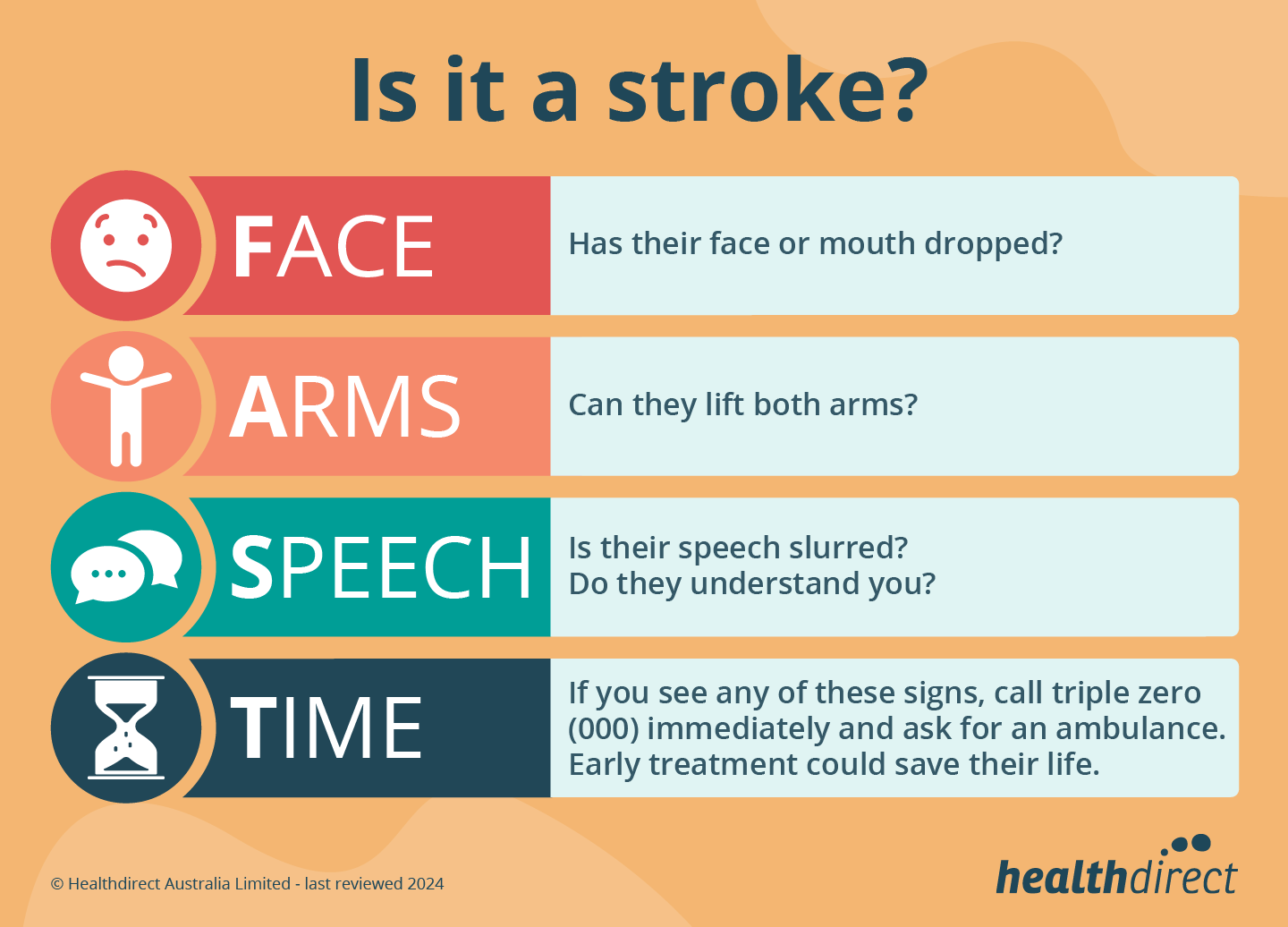
This new therapy brought a new challenge: getting patients to the hospital fast enough.  To improve prehospital recognition, a team of stroke physicians and emergency personnel introduced the FAST mnemonic (Face drooping, Arm weakness, Speech difficulty, Time to call) in 1998.

Public‑education efforts followed, most notably the National Institute of Neurological Disorders and Stroke’s “Know Stroke” campaign launched in 2001, to teach communities to recognize stroke signs and call 911 immediately.

Current Stroke Reaserch

In recent years, consumer technology has begun to close the gap between symptom onset and medical evaluation. Wrist‑worn devices that use photoplethysmography (PPG), such as the Apple Watch (first released in 2015 and selling nearly 12 million units the following year), made continuous heart‑rate and oxygen saturation monitoring mainstream.
 
Additionally, Machine-learning-enabled smartphone applications like FAST.AI, described in a 2023 American Heart Association report, can detect facial asymmetry and arm weakness almost as well as a neurologist.
Scroll to Top