NeuroShield

“The future of Early Stroke Detection”

What is a Stroke?

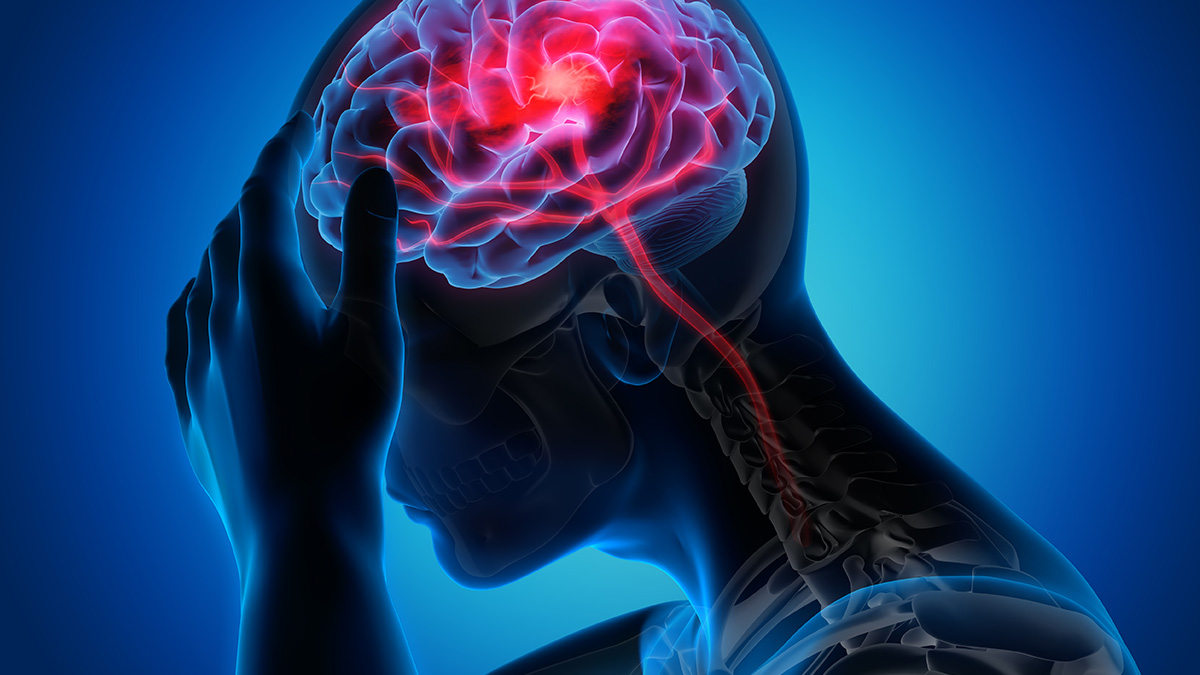
A stroke can occur when blood flow to the brain is blocked or there is sudden bleeding in the brain. A stroke that occurs because blood flow to the brain is blocked is called an ischemic stroke. The brain cannot get oxygen and nutrients from the blood. Without oxygen and nutrients, brain cells begin to die within minutes.​

Affected by stroke

Over 795,000 Americans suffer a stroke each year. Globally, there were 93.8 million people living with stroke and 11.9 million new strokes throughout 2021.

The Impacts of Stroke

Costs of stroke

Stroke‑related costs in the US totaled $56.2 billion between 2019 and 2020. The global cost of stroke exceeds $890  billion annually, about 0.66 % of global GDP, and is projected to approach $1 trillion by 2030.

Consequences of Stroke

Deaths have totalled over 7 million and 160 million disability‑adjusted life‑years have been lost in 2021 alone.

The Golden Hour

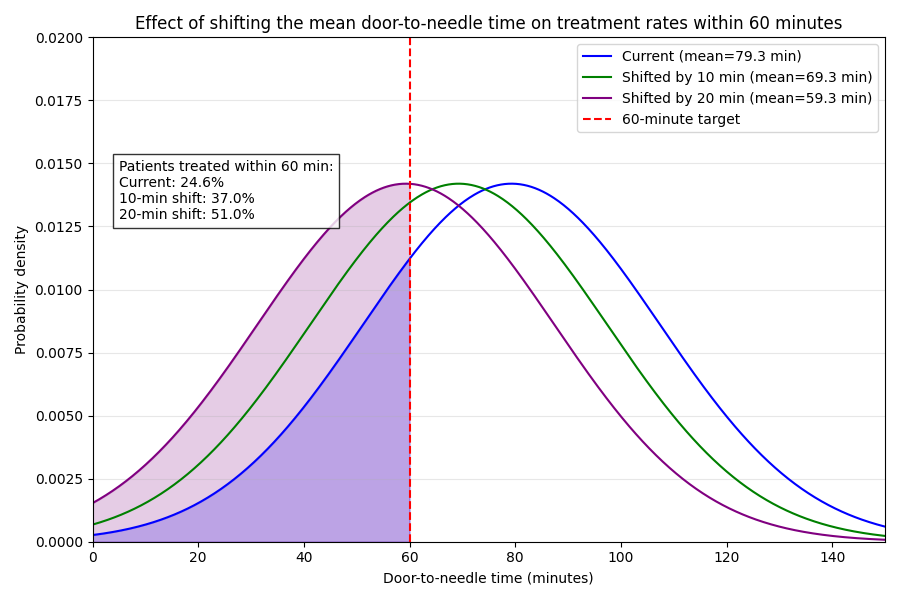
Current care hinges on speed. For ischemic stroke, which accounts for 87% of all stroke events, the goal is to administer a clot‑busting drug within 60 minutes of hospital arrival (door‑to‑needle time) and preferably within 3 hours of symptom onset. Early therapy dramatically improves outcomes; patients arriving within 3 hours typically have less disability, and those treated within 60 minutes are much more likely to recover fully. Yet US hospitals often miss these targets. In a national stroke-registry hospital network, only 28% of patients arrived within the first hour of symptom onset, 32% arrived between 1 and 3 hours, and 40% arrived after 3 hours. Even among those who made it to the golden hour, only about 20% were treated within 60 minutes.

Scroll to Top